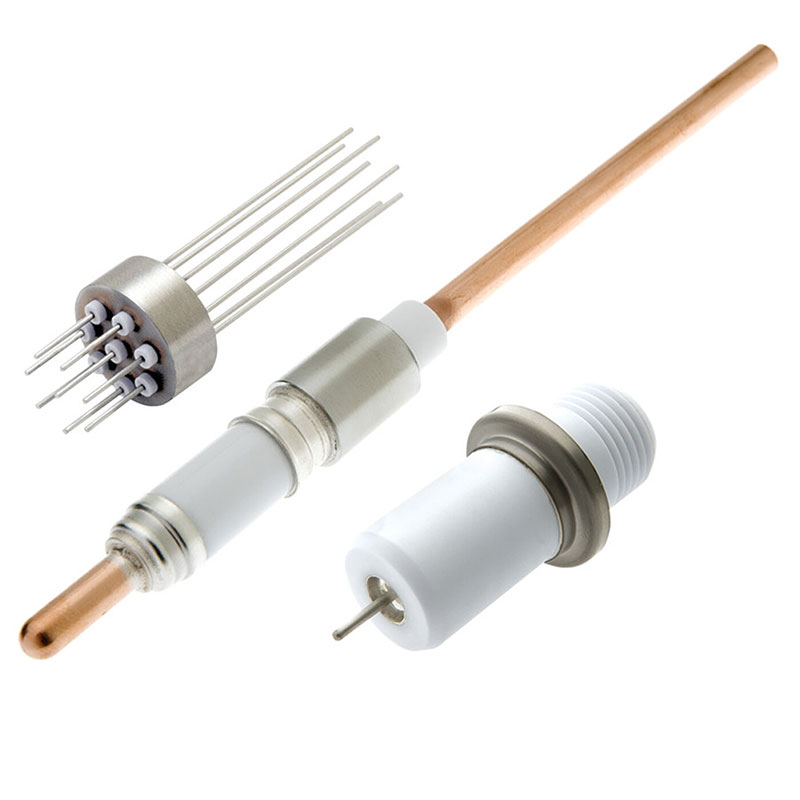
Alumina Ceramic Tubes are widely recognized for their exceptional thermal, mechanical, and chemical properties, making them a preferred choice in high-temperature and corrosive industrial environments. This article explores their material characteristics, key applications, technical parameters, and installation considerations, aiming to provide practical guidance for engineers, plant operators, and procurement professionals seeking reliable ceramic tube solutions.
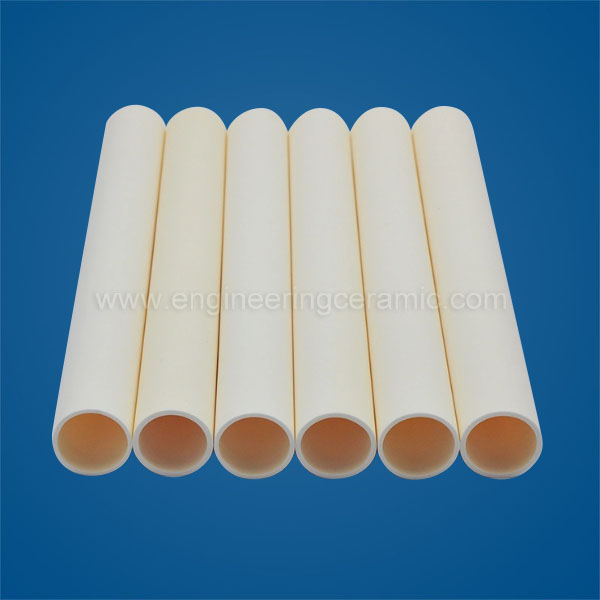
Alumina Ceramic Tubes are engineered components manufactured from high-purity aluminum oxide. Their primary function is to provide reliable insulation, chemical resistance, and structural support in high-stress industrial applications. These tubes are critical in processes involving extreme temperatures, corrosive media, and electrical insulation requirements.
Engineering Ceramic focuses on producing Alumina Ceramic Tubes that meet rigorous quality standards, ensuring consistent performance in demanding environments. Their versatility allows integration into furnaces, chemical reactors, heating elements, and electronic assemblies.
Alumina Ceramic Tubes offer a unique combination of properties that make them indispensable in industrial operations. Key characteristics include:
These attributes ensure that alumina ceramic tubes maintain integrity and performance even under continuous operational stress, providing a long service life and reducing maintenance frequency.
Understanding the technical parameters is essential for selecting the appropriate Alumina Ceramic Tube for specific industrial applications. The following table summarizes standard specifications:
| Parameter | Specification Range |
|---|---|
| Material Purity | ≥ 99.5% Al₂O₃ |
| Density | 3.8–3.9 g/cm³ |
| Flexural Strength | ≥ 250 MPa |
| Compressive Strength | ≥ 3500 MPa |
| Maximum Operating Temperature | Up to 1700°C |
| Electrical Resistivity | ≥ 10¹³ Ω·cm |
| Thermal Conductivity | 20–30 W/m·K |
Alumina Ceramic Tubes are widely applied across multiple sectors due to their reliability and resilience. Common applications include:
The ability to withstand thermal shock, chemical corrosion, and mechanical stress makes these tubes an essential component in both continuous and batch industrial processes.
Proper installation and handling are critical to maintaining the functional integrity of Alumina Ceramic Tubes. Key considerations include:
Adhering to these guidelines extends the service life of the tubes and minimizes unplanned downtime in industrial processes.
Q: What industries benefit most from Alumina Ceramic Tubes?
A: Industries with high-temperature operations, corrosive chemical processes, or electrical insulation needs—such as metal processing, chemical manufacturing, electronics, and power generation—derive significant benefits.
Q: Can Alumina Ceramic Tubes withstand rapid temperature changes?
A: Yes, tubes made with high-purity alumina are designed to resist thermal shock, though proper installation practices are necessary to prevent stress-induced cracking.
Q: How are Alumina Ceramic Tubes cleaned and maintained?
A: Cleaning should use non-abrasive methods and compatible solvents; routine inspections should monitor for surface damage, wear, and chemical deposition.
Alumina Ceramic Tubes offer unmatched performance in high-temperature, high-wear, and chemically aggressive industrial environments. By selecting tubes with verified specifications and following professional handling protocols, industrial operators can ensure reliable performance, reduced downtime, and extended service life.
Engineering Ceramic delivers high-quality Alumina Ceramic Tubes tailored to industrial requirements. For inquiries, technical assistance, or custom solutions, please contact us to discuss your project needs and explore our product offerings.