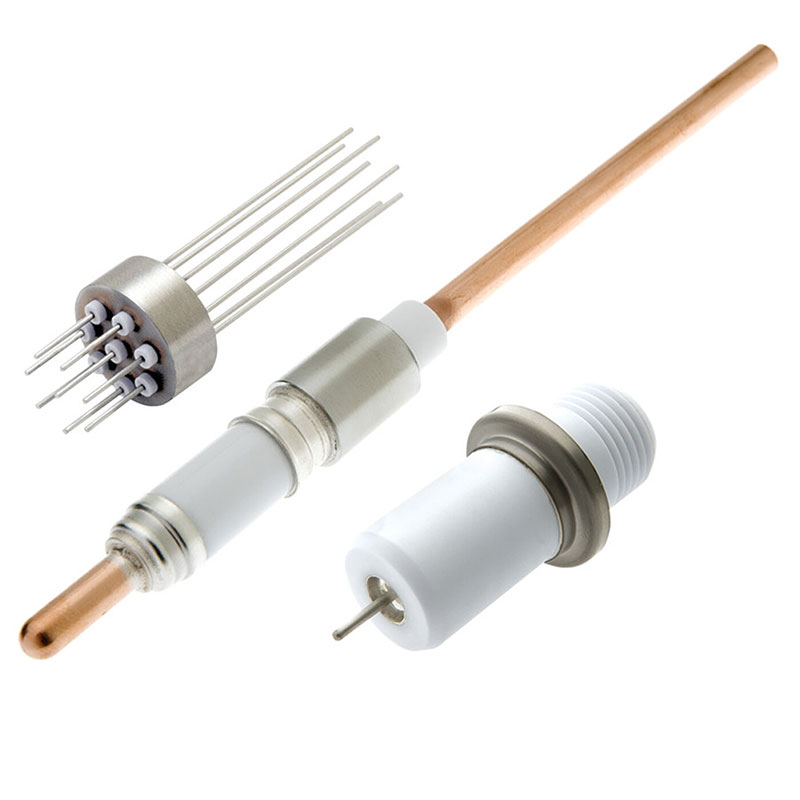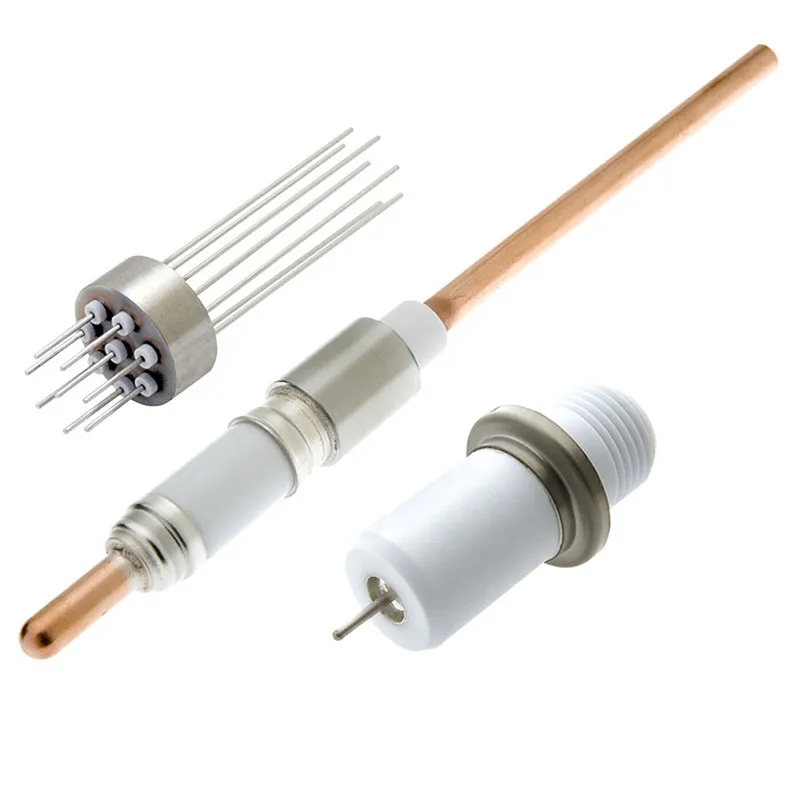
Engineering Ceramic Co., Ltd. (EC®), a leader in ceramic technologies with over 30 years of experience, presents its high-performance Feed Through Insulators. Manufactured from high-purity alumina (99.7%) or Alumina Alsint 799, these insulators are designed to provide reliable sealing and electrical insulation for high-temperature sensors operating at 1800°C and above. By combining advanced ceramic materials with state-of-the-art sealing technology, EC® enables next-generation sensor designs for the most demanding industrial environments.
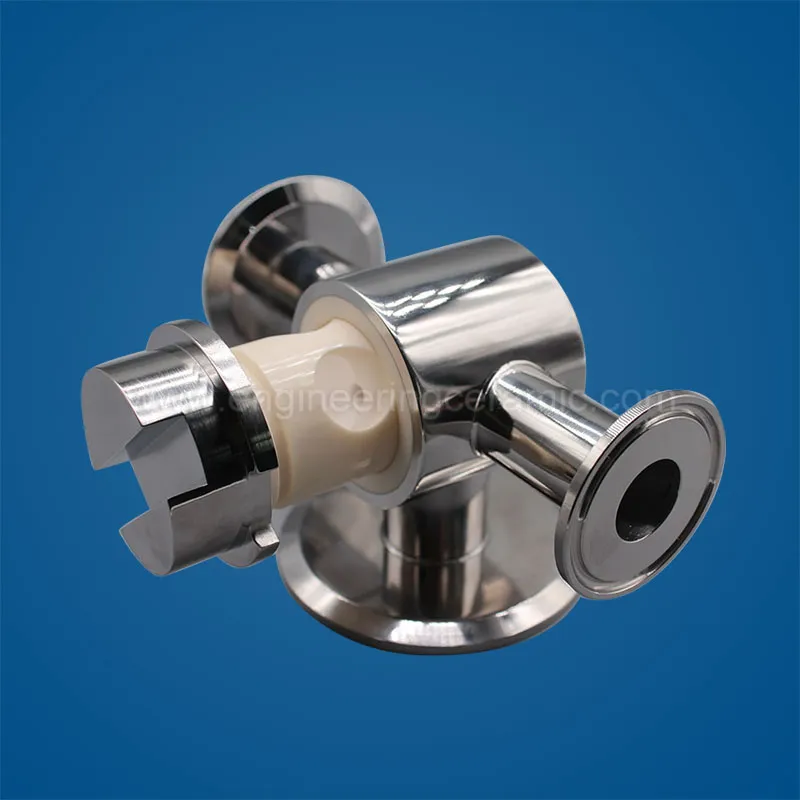
In demanding industrial environments – chemical processing, power generation, and mining – pump components are constantly exposed to abrasive slurries, corrosive chemicals, and extreme temperatures. Traditional metal liners often fail prematurely, leading to costly downtime and frequent replacements. The Ceramic Pump Liner from Engineering Ceramic offers a superior alternative, combining exceptional hardness, corrosion resistance, and thermal stability. This article explores the material advantages, precision manufacturing, and real‑world performance that make zirconia ceramic liners a smart investment for critical pumping systems.

In industrial pump operations, the liner serves as a core wear part that directly withstands abrasion and corrosion. Its performance determines the equipment's reliability and total operating costs. In recent years, driven by advances in materials science, ceramic pump liners have become the preferred upgrade over traditional metallic liners in industries such as oil drilling, chemical processing, flue gas desulfurization (FGD), and new energy manufacturing, owing to their superior wear resistance and chemical inertness.
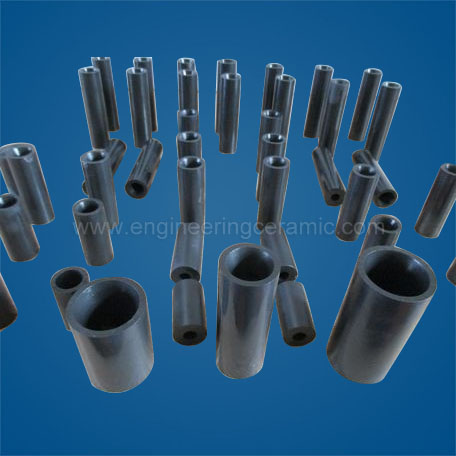
Among the most advanced abrasive materials available today, Boron Carbide Abrasive Powders have emerged as a preferred solution for high-performance grinding, lapping, polishing, and precision finishing applications. Their exceptional hardness, chemical stability, and wear resistance make them indispensable in industries where dimensional accuracy and surface quality are critical.
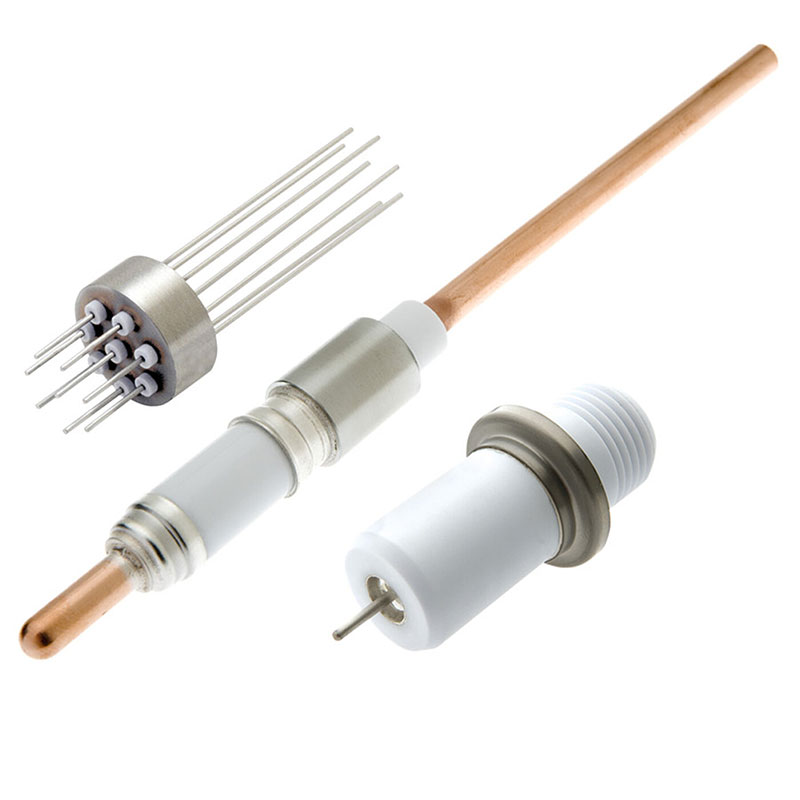
Precision in hard machining goes beyond standard CNC — alumina’s brittleness, sintering shrinkage, and surface integrity dictate every design choice before production starts Engineers specifying alumina ceramic machined parts face a different challenge than metal or plastic components. High-purity alumina (Al₂O₃ ≥ 95%) offers exceptional hardness, compressive strength, and dielectric stability, but these same properties make post-sintering machining difficult and pre-sintering green-state processing unpredictable.
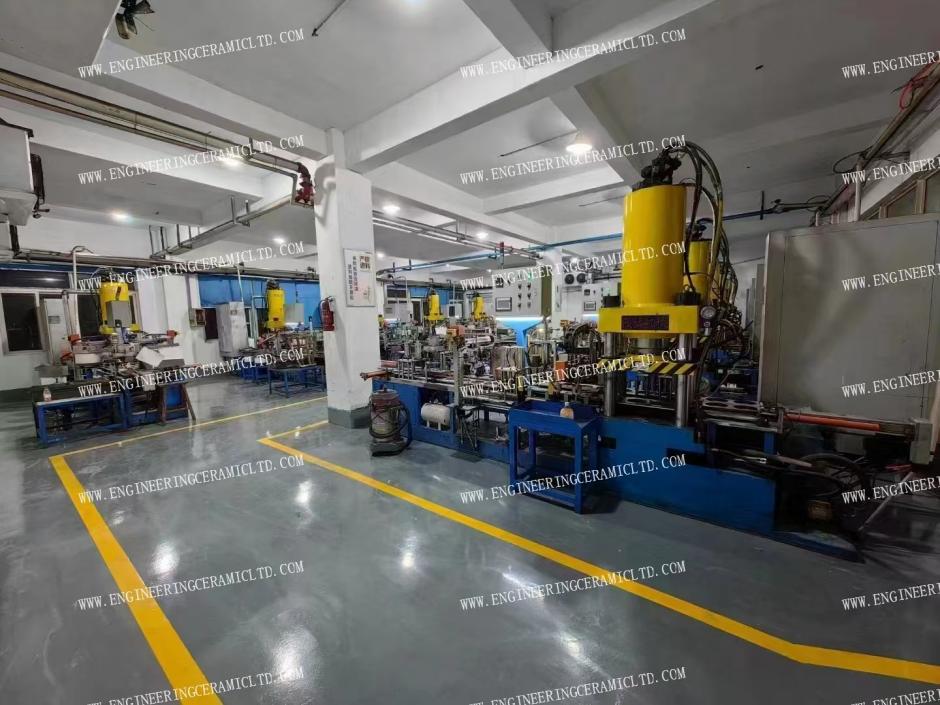
Engineering Ceramic's office will be closed from February 14 to 28 for the Chinese New Year holiday.