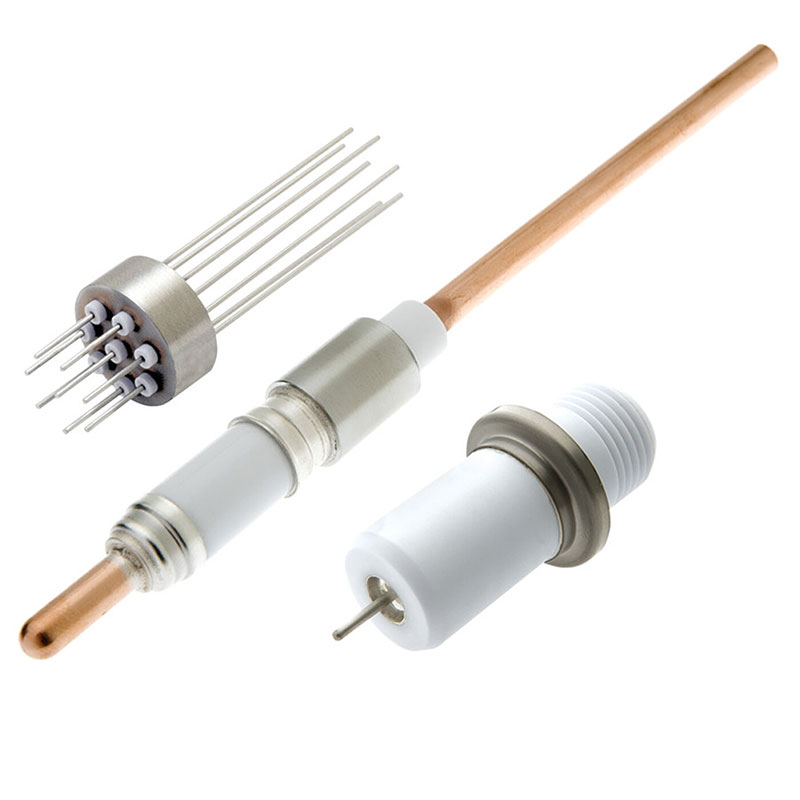
Alumina ceramic machined parts have become a critical solution for industries that demand extreme precision, durability, and stability under harsh operating conditions. From semiconductor equipment to medical devices and high-voltage electrical systems, these components offer a unique balance of mechanical strength, thermal resistance, and electrical insulation. Compared with metals or polymers, alumina ceramics provide longer service life and more consistent performance, especially in environments involving high temperatures, corrosive chemicals, or electrical stress.
As manufacturing processes advance, the demand for Alumina Ceramic Machined Parts continues to grow. Precision machining techniques allow complex geometries, tight tolerances, and excellent surface finishes, making alumina ceramics suitable for both structural and functional applications. Understanding their properties, specifications, and advantages is essential when selecting the right material for critical components.
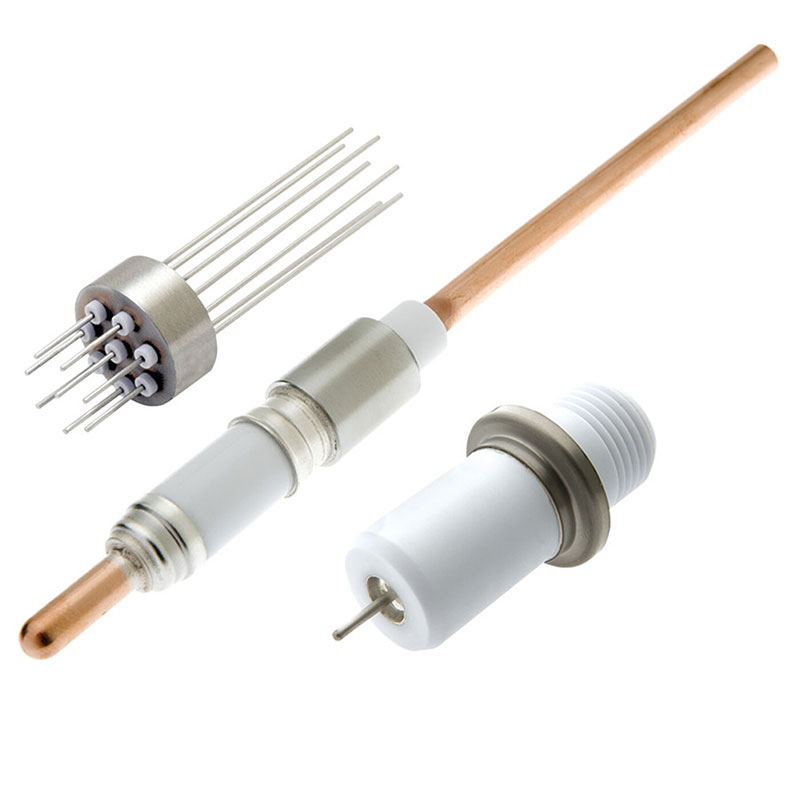
The popularity of alumina ceramics lies in their well-balanced material characteristics. Alumina (Al₂O₃) is one of the most mature and widely used engineering ceramics, known for its reliability and cost-effectiveness.
Key reasons industries choose Alumina Ceramic Machined Parts include:
High hardness and wear resistance, reducing abrasion in moving or contact parts
Excellent electrical insulation, even at elevated temperatures
Strong chemical resistance, suitable for corrosive or reactive environments
High thermal stability, maintaining strength under thermal cycling
Dimensional stability, ensuring precision over long-term use
These advantages make alumina ceramics a preferred alternative to metals in applications where weight reduction, electrical isolation, or corrosion resistance is critical.
Producing high-quality alumina ceramic machined parts requires a combination of material science expertise and advanced machining capabilities. The process typically includes powder preparation, forming, sintering, and precision machining.
After sintering, alumina reaches its final hardness, which makes machining challenging but essential for achieving tight tolerances. Diamond grinding, CNC machining, and polishing techniques are commonly used to ensure dimensional accuracy and surface quality.
Precision machining allows manufacturers to deliver:
Complex shapes and fine features
Tight tolerances (±0.001 mm achievable in some cases)
Smooth surface finishes for sealing or sliding applications
This level of control ensures that Alumina Ceramic Machined Parts meet strict performance and reliability requirements.
Understanding material parameters is essential when specifying alumina ceramic components. Below is a simplified overview of common technical specifications to help engineers and buyers make informed decisions.
| Parameter | Typical Value |
|---|---|
| Alumina Content | 95% / 96% / 99% Al₂O₃ |
| Density | 3.6 – 3.9 g/cm³ |
| Hardness | ≥ 15 GPa (Vickers) |
| Bending Strength | 300 – 400 MPa |
| Thermal Conductivity | 20 – 30 W/m·K |
| Maximum Working Temperature | Up to 1600°C |
| Dielectric Strength | ≥ 12 kV/mm |
| Surface Roughness | Ra 0.2 – 0.8 μm (machined) |
These parameters demonstrate why Alumina Ceramic Machined Parts are trusted for demanding applications where mechanical, thermal, and electrical performance must remain stable.
Alumina ceramics are used across a wide range of industries due to their versatility and proven performance.
Common application fields include:
Semiconductor and electronics: wafer handling components, insulating fixtures, vacuum parts
Medical devices: wear-resistant components, insulating parts for diagnostic equipment
Automation and machinery: guide rails, positioning components, nozzles
Energy and power systems: high-voltage insulators, arc-resistant components
Chemical processing: corrosion-resistant liners, seals, and structural parts
In each of these sectors, Alumina Ceramic Machined Parts help improve equipment reliability, reduce maintenance costs, and extend service life.
When comparing ceramics to metals, the choice depends on operating conditions and performance priorities. Alumina ceramics excel in environments where metals may fail due to corrosion, electrical conductivity, or thermal limitations.
Alumina Ceramic Machined Parts vs Metal Parts
Weight: Alumina ceramics are lighter than most metals
Electrical insulation: Ceramics provide superior insulation, metals do not
Corrosion resistance: Ceramics resist acids and alkalis better than metals
Temperature resistance: Alumina maintains stability at higher temperatures
Machinability: Metals are easier to machine, but ceramics offer longer wear life
This comparison highlights why alumina ceramics are often selected for high-performance, long-life applications despite higher initial machining complexity.
Customization is a major advantage of modern ceramic machining. Manufacturers can tailor alumina ceramic parts to meet specific design and performance requirements.
Customization options include:
Material purity selection (95%, 96%, 99% alumina)
Complex geometries and micro-features
Tight tolerance control
Surface grinding and polishing
Special coatings or surface treatments
These capabilities ensure that Alumina Ceramic Machined Parts can be seamlessly integrated into existing systems or newly designed equipment.
Although the initial cost of ceramic components may be higher than conventional materials, the long-term economic benefits are significant. Reduced wear, minimal maintenance, and longer service life contribute to lower total ownership costs.
By using Alumina Ceramic Machined Parts, companies often experience:
Fewer part replacements
Reduced downtime
Improved process stability
Lower maintenance expenses
This makes alumina ceramics a cost-effective solution over the full lifecycle of industrial equipment.
Q: What makes Alumina Ceramic Machined Parts suitable for high-temperature applications?
A: Alumina ceramics maintain mechanical strength and dimensional stability at temperatures up to 1600°C, making them ideal for high-temperature and thermal cycling environments.
Q: How precise can Alumina Ceramic Machined Parts be manufactured?
A: With advanced CNC and diamond grinding techniques, alumina ceramic parts can achieve tight tolerances and smooth surface finishes suitable for precision assemblies.
Q: Are Alumina Ceramic Machined Parts resistant to chemical corrosion?
A: Yes, alumina ceramics offer excellent resistance to acids, alkalis, and most industrial chemicals, outperforming many metals and polymers.
Q: Which alumina purity level should be selected for machined ceramic parts?
A: The choice depends on application requirements. Higher purity alumina provides better electrical insulation and wear resistance, while lower purity offers cost advantages.
Engineering Ceramic Co., Ltd. specializes in the design, manufacturing, and precision machining of high-performance ceramic components. With extensive experience in Alumina Ceramic Machined Parts, the company delivers reliable solutions tailored to diverse industrial needs.
From material selection to final inspection, every step focuses on quality, consistency, and performance. For detailed specifications, technical support, or custom solutions, contact Engineering Ceramic Co., Ltd. to discuss how alumina ceramic machined parts can enhance your application and improve long-term operational efficiency.